
Thinking about trying the keto diet, or نظام كيتو, as some call it? It’s a pretty popular way to eat these days, and for good reason. People talk about losing weight and feeling better. But like anything new, it can seem a little confusing at first. What exactly is it, and how do you even start? This guide is here to break down the keto system in a way that makes sense, covering everything from the basics to how to keep it going long-term. We’ll look at what foods to eat, what to skip, and how to handle some of the common bumps in the road.
Key Takeaways
- The keto diet is a low-carb, high-fat eating plan that shifts your body into a state called ketosis, where it burns fat for energy.
- Getting started involves drastically reducing carbohydrate intake, typically to 20-50 grams per day, and focusing on healthy fats and moderate protein.
- Key foods to embrace include fatty meats, fish, eggs, healthy oils, avocados, and low-carb vegetables, while sugary foods, grains, and most fruits should be avoided.
- Common initial side effects, often called the ‘keto flu,’ can include fatigue and digestive issues, but these usually pass as your body adjusts.
- Long-term success involves staying hydrated, potentially using supplements like MCT oil, incorporating exercise, and consulting with a healthcare professional.
Understanding the Keto System
What is the Keto Diet?
The ketogenic diet, often shortened to just “keto,” is a way of eating that drastically cuts down on carbohydrates and replaces them with fat. The idea is to shift your body’s primary fuel source from glucose (which comes from carbs) to fat. Think of it like switching your car from gasoline to diesel – it runs on a different type of fuel. This dietary approach has gained a lot of attention for its potential health benefits, including weight loss and improvements in certain health markers.
How Does Keto Work?
When you significantly reduce your carb intake, your body runs out of its usual glucose supply. To keep functioning, it starts breaking down stored fat for energy. This process creates molecules called ketones in your liver. Your body and brain can then use these ketones as fuel. This metabolic state, where your body is primarily burning fat and producing ketones, is called ketosis. It’s a natural process, but achieving it through diet requires a specific macronutrient breakdown: typically very low carbohydrates (usually under 50 grams per day), moderate protein, and high fat.
The Science Behind Ketosis
When carbs are restricted, blood sugar and insulin levels drop. This hormonal shift signals your body to start tapping into fat reserves. The liver then converts fatty acids into ketone bodies – specifically acetoacetate, beta-hydroxybutyrate, and acetone. These ketones become the main energy source for many cells, including brain cells, which can’t directly use fatty acids. This metabolic switch is what drives many of the effects associated with the keto diet. While ketosis is a normal metabolic state, it’s important to distinguish it from ketoacidosis, a dangerous condition that typically occurs in uncontrolled diabetes.
Embarking on Your Keto Journey
Starting the keto diet can feel like a big step, but it doesn’t have to be overwhelming. Think of it as a new way of eating that focuses on using fat for energy instead of carbs. It’s about making smart food choices that help your body get into a state called ketosis. This means your body becomes really good at burning fat.
Getting Started with Keto
To kick things off, it’s helpful to get familiar with what you’ll be eating. Reading food labels is a good habit to get into. You’ll want to check the grams of fat, carbs, and fiber. This helps you see how your current favorite foods might fit, or how to swap them out. Planning your meals ahead of time can also save you a lot of hassle during the week. There are tons of resources out there, like websites, blogs, and cookbooks, that offer keto-friendly recipes. Some people even use meal delivery services that have keto options, which is pretty convenient when you’re busy. If you’re heading to a get-together or visiting family, consider bringing your own food. This makes it way easier to avoid temptation and stick to your plan. It’s all about setting yourself up for success from the start. You can find great resources for starting a ketogenic diet that focus on simple meal planning.
Common Keto Diet Variations
While the core idea of keto is low carb, high fat, there are a few ways people approach it. Some folks stick to a very strict version, while others are a bit more flexible. You might hear about the standard ketogenic diet, which is the classic low-carb, moderate-protein, high-fat approach. Then there’s the cyclical ketogenic diet (CKD), where you alternate between keto days and higher-carb days, often used by athletes. Targeted ketogenic diet (TKD) allows you to add carbs around your workouts. It’s good to know these exist, but for most people just starting, the standard approach is usually the best place to begin.
Tips for a Smooth Transition
Making the switch to keto can sometimes come with a few bumps. One common thing people talk about is the ‘keto flu.’ This is basically your body adjusting to using fat for fuel. Symptoms can include feeling tired, having a headache, or feeling a bit foggy. To help ease this, some people suggest gradually reducing carbs instead of cutting them out all at once. Also, your body’s water and mineral balance can shift, so adding a bit more salt to your meals or considering mineral supplements might help. It’s a good idea to talk to your doctor about what nutrients you might need. Don’t be afraid to eat until you’re full, especially at the beginning; you don’t need to cut calories drastically. Most people find they lose weight naturally on keto without trying to eat less.
Starting keto is a journey, and like any journey, there will be learning curves. Be patient with yourself, focus on making sustainable changes, and celebrate the small wins along the way. It’s about building a healthier relationship with food and your body.
Here’s a quick look at some keto-friendly meal ideas to get you started:
- Breakfast: Scrambled eggs with avocado and a side of bacon.
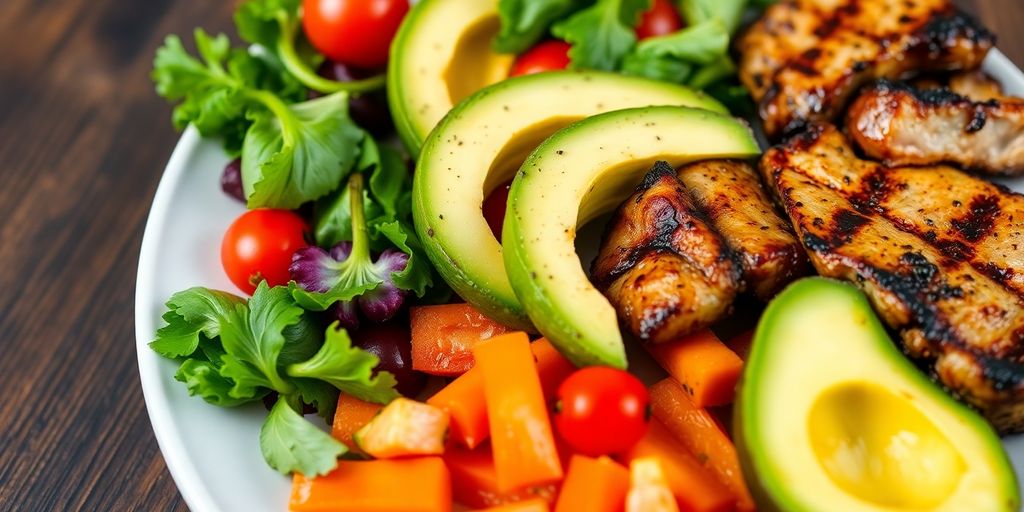
- Lunch: A big salad with grilled chicken or salmon, loaded with leafy greens, non-starchy vegetables, and a healthy fat dressing like olive oil and vinegar.
- Dinner: Baked salmon with roasted broccoli and a dollop of butter.
Remember, variety is key. Don’t be afraid to experiment with different keto recipes to keep things interesting and ensure you’re getting a good range of nutrients.
Nourishing Your Body on Keto
Figuring out what to eat on keto can feel like a puzzle at first, but once you get the hang of it, it’s pretty straightforward. The main idea is to cut back on carbs and load up on healthy fats. This shift helps your body start burning fat for fuel instead of glucose.
Essential Keto Foods to Embrace
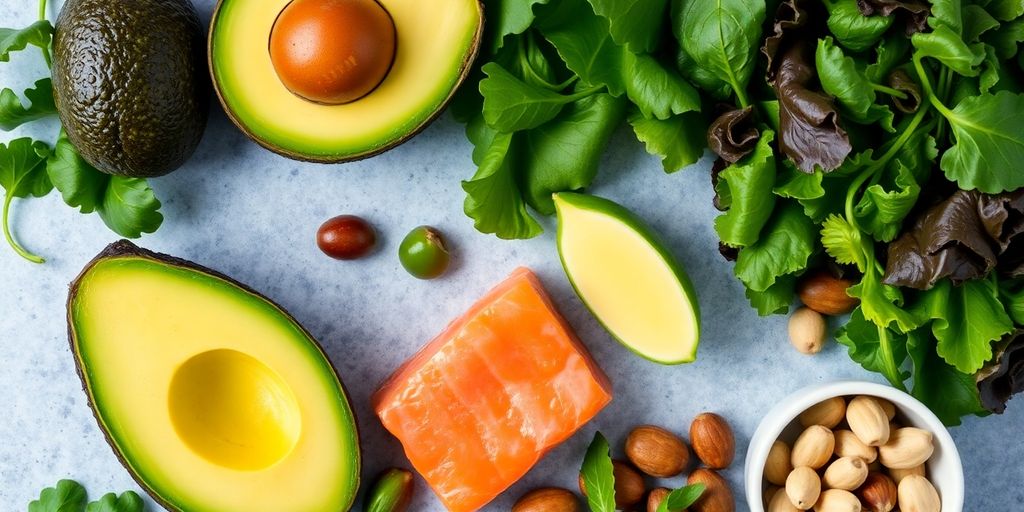
When you’re on keto, you’ll want to focus on foods that are naturally low in carbs and high in fat. Think fatty cuts of meat, fish, and poultry. Don’t forget about healthy fats from sources like avocados, olive oil, and nuts. Leafy greens and non-starchy vegetables are also great because they offer nutrients without a lot of carbs. Dairy products like cheese and full-fat yogurt can also fit into your plan.
- Healthy Fats: Olive oil, coconut oil, avocado oil, butter, ghee, avocados, nuts, seeds.
- Proteins: Fatty cuts of beef, pork, lamb, chicken (with skin), fish (especially fatty fish like salmon and mackerel), eggs.
- Low-Carb Vegetables: Spinach, kale, broccoli, cauliflower, zucchini, bell peppers, asparagus.
- Dairy: Full-fat cheese, heavy cream, butter, plain full-fat yogurt.
- Fruits (in moderation): Berries like strawberries, blueberries, raspberries.
Foods to Avoid on Keto
On the flip side, there are certain foods you’ll need to steer clear of to stay in ketosis. This mainly includes anything high in carbohydrates. Sugary drinks, sweets, grains, bread, pasta, rice, and most fruits are off the table. Even some vegetables, like potatoes and corn, are too high in carbs for a strict keto diet. You’ll also want to limit processed foods, as they often contain hidden sugars and carbs.
- Sugary Foods: Soda, juice, candy, cake, ice cream, honey, maple syrup.
- Grains and Starches: Wheat, rice, pasta, bread, cereal, corn, potatoes, oats.
- Most Fruits: Bananas, apples, oranges, grapes (berries are usually okay in small amounts).
- Legumes: Beans, lentils, peas.
- Processed Foods: Many packaged snacks, low-fat products, and fast food items.
Delicious Keto Meal Ideas
Getting creative in the kitchen can make sticking to keto enjoyable. For breakfast, you might have scrambled eggs with avocado and bacon. Lunch could be a big salad with grilled chicken and a creamy dressing, or perhaps some leftover spaghetti squash Bolognese. Dinner options are plentiful, like baked salmon with roasted asparagus or a bunless burger with a side of cauliflower mash. Don’t forget snacks! A handful of almonds, some cheese, or olives can keep you satisfied between meals. If you’re looking for a structured approach, you can find a two-week meal plan that makes things even easier.
Planning your meals ahead of time is a game-changer. It helps you avoid impulse buys and ensures you always have keto-friendly options ready to go, which can make sticking to the diet much smoother.
Here’s a sample day:
- Breakfast: Omelet with spinach, mushrooms, and cheese.
- Lunch: Tuna salad made with mayonnaise, served in lettuce cups.
- Dinner: Chicken stir-fry with broccoli, bell peppers, and soy sauce (use tamari for a lower-carb option).
- Snacks: A few slices of cheese, a small handful of macadamia nuts, or some celery sticks with cream cheese.
Navigating Challenges and Side Effects
Starting the keto diet can feel like a big change, and sometimes your body needs a little time to catch up. It’s pretty common to experience what people call the “keto flu” when you first begin. Think of it as your body adjusting to using fat for fuel instead of carbs. Symptoms can include feeling tired, getting headaches, or even having some digestive upset like constipation or diarrhea. Most of these issues are temporary and usually pass within a few days to a week.
Understanding the Keto Flu
The keto flu isn’t a real flu, but the symptoms can feel similar. It’s your body’s reaction to cutting out carbs and shifting into ketosis. Here’s a quick rundown of what you might notice:
- Fatigue: Feeling more tired than usual.
- Headaches: A common complaint, often linked to changes in hydration and electrolytes.
- Nausea: Some people feel a bit queasy.
- Digestive Issues: This can manifest as either constipation or diarrhea.
- Brain Fog: Difficulty concentrating or feeling mentally sluggish.
- Irritability: Mood swings can happen as your body adapts.
To help ease these symptoms, make sure you’re drinking plenty of water and getting enough electrolytes. Adding a bit of salt to your food or considering a mineral supplement can make a big difference. Some people find that easing into the diet by reducing carbs gradually, rather than cutting them out completely overnight, helps too. You can find more information on managing these initial side effects at a213.
Managing Digestive Issues
Digestive problems are another common hurdle. Constipation can occur if you’re not getting enough fiber, which is often the case when you cut out many fruits and starchy vegetables. On the flip side, some people experience diarrhea, which might be due to the increased fat intake or changes in gut bacteria. To help keep things moving smoothly:
- Increase Fiber Intake: Focus on low-carb vegetables like leafy greens, broccoli, and cauliflower. Chia seeds and flaxseeds are also great additions.
- Stay Hydrated: Drink lots of water throughout the day. This helps with both constipation and overall digestion.
- Consider Probiotics: If diarrhea is an issue, a probiotic supplement might help rebalance your gut flora.
It’s important to listen to your body. If digestive issues persist, it’s always a good idea to chat with your doctor or a registered dietitian to rule out any other causes and get personalized advice.
Addressing Energy and Fatigue
Feeling tired or lacking energy is a frequent complaint during the initial adaptation phase. This often happens because your body is switching its primary fuel source from glucose (from carbs) to ketones (from fat). This transition can take a little time. If you’re feeling constantly drained, here are a few things to check:
- Are you truly in ketosis? Make sure your carbohydrate intake is low enough. Sometimes, even a few hidden carbs can prevent you from entering ketosis effectively.
- Electrolyte balance: As mentioned, low sodium, potassium, or magnesium can contribute to fatigue. Adding salt to your meals or using electrolyte supplements can help.
- Adequate Fat Intake: Ensure you’re eating enough healthy fats. Fat is your new primary fuel source, so you need to consume enough of it to feel energized. Don’t be afraid of healthy fats like avocado, olive oil, and nuts.
If fatigue continues to be a problem, consider incorporating MCT oil into your routine. It’s a type of fat that’s quickly converted into ketones, providing a readily available energy source. You can add it to your coffee or smoothies. Remember, consistency is key, and most people find their energy levels stabilize and even improve once their body fully adapts to using ketones for fuel.
Optimizing Your Keto Experience
So, you’re feeling pretty good on keto, but you’re wondering how to really make it work even better for you. It’s not just about cutting carbs, you know? There are ways to fine-tune things to get the most out of this way of eating. Think of it like tuning up a car – you want it running smoothly and efficiently.
Beneficial Keto Supplements
While you don’t have to take supplements, some can be pretty helpful, especially when you’re starting out or if you’re really active. MCT oil is a popular one; it’s basically a quick energy source that can help boost your ketone levels. Some people also find mineral supplements useful, particularly if they’re noticing things like muscle cramps, which can happen as your body adjusts its water and mineral balance. Electrolytes are key here. Caffeine can give you a little boost in energy and might even help with fat burning, but don’t overdo it. Exogenous ketones are another option if you want to increase your ketone levels directly. And if you’re exercising, creatine is a well-researched supplement that supports performance and muscle health. Even a bit of whey protein can be useful if you’re struggling to hit your protein targets with food alone.
Staying Hydrated and Balanced
This is super important, and honestly, easy to forget. When you cut carbs, your body holds onto less water, and that can mess with your electrolytes. So, drinking plenty of water is a must. Don’t just chug it all at once, though; sip throughout the day. Adding a little extra salt to your food can help replace lost sodium, and some people find electrolyte powders or drops helpful. Keeping your electrolytes – sodium, potassium, and magnesium – in balance is really the name of the game for avoiding that dreaded ‘keto flu’ and just generally feeling good.
Incorporating Exercise with Keto
Exercise and keto can be a great combo, but you might need to adjust how you approach it. Initially, you might feel a bit sluggish as your body gets used to burning fat for fuel. Don’t push too hard right away. Focus on lower-intensity activities like walking or light strength training. As you adapt, you can gradually increase the intensity. Some people find that having a small amount of carbs right before a tough workout (this is called a targeted ketogenic diet, or TKD) can help with performance, but that’s more advanced. For most people, just focusing on consistent movement and listening to your body is the best way to go. Remember, your body is learning a new fuel source, so be patient with it.
Long-Term Keto Success
Sticking with the keto diet long-term is definitely a commitment, and it’s smart to think about what that looks like. It’s not just about the initial weight loss; it’s about making it a sustainable part of your life. You’ll want to keep an eye on a few things to make sure you’re staying healthy and getting the most out of it. Paying attention to your body’s signals is key.
Potential Long-Term Considerations
While keto can offer benefits, staying on it for extended periods might have some downsides. Some people report issues like low protein levels in their blood, extra fat buildup in the liver, or even kidney stones. There’s also the risk of not getting enough micronutrients if your diet isn’t well-planned. It’s important to remember that research on the very long-term effects is still ongoing. If you’re taking medications for type 2 diabetes, like SGLT2 inhibitors, you need to be extra careful, as this can increase the risk of a dangerous condition called diabetic ketoacidosis. Always chat with your doctor about your specific situation.
Maintaining Keto Lifestyle
Making keto a lasting habit means being prepared. Reading food labels is a must, so you know exactly what you’re eating. Planning your meals ahead of time really helps, especially when you’re out and about or visiting friends and family. Bringing your own food can be a lifesaver to avoid temptations and stick to your plan. When eating out, look for meat, fish, or egg dishes. Ask for extra vegetables instead of starchy sides, and maybe a cheese plate for dessert. Mexican restaurants are often good too – think meat with extra cheese, guacamole, and salsa.
Consulting with Healthcare Professionals
It’s always a good idea to keep your doctor in the loop about your diet. They can help guide your choices and make sure you’re meeting your nutritional needs. If you’re feeling constantly tired or fatigued, it might mean you’re not quite in ketosis or your body isn’t using fats efficiently. Lowering your carb intake a bit more or trying something like MCT oil could help. Don’t be alarmed if your urine smells a bit fruity; that’s just a byproduct of ketosis. Bad breath can happen too, but sugar-free gum or flavored water can help. Remember, ketosis is different from ketoacidosis, which is dangerous. For most healthy people, ketosis is generally fine, but always check with your doctor first. They can also advise on supplements that might be beneficial, such as MCT oil, minerals, or even whey protein for shakes. Staying hydrated and balanced is also important, and they can offer guidance on that too. You might find that incorporating exercise alongside your keto diet helps with overall results.
Wrapping Up Your Keto Journey
So, that’s the keto diet in a nutshell. It’s a big change, for sure, and it’s not for everyone. You’ve learned about what ketosis actually is, how to get into it, and what foods to focus on and which ones to avoid. Remember, starting slow and listening to your body is key. There might be some bumps along the road, like the “keto flu,” but knowing what to expect can help. If you’re thinking about trying it, or you’re already on it, talking to your doctor is always a good idea. This way, you can make sure it fits your health needs. Good luck with your keto adventure!
Frequently Asked Questions
What exactly is the keto diet?
The keto diet is a way of eating that’s very low in carbs and high in fat. It helps your body burn fat for energy instead of sugar. Think of it like switching your body’s fuel source!
How does keto help the body burn fat?
When you eat very few carbs, your body starts making something called ketones. These are like little fuel packs made from fat. Your body then uses these ketones for energy, which can lead to weight loss and other health perks.
Can I ever eat carbs again on keto?
Yes, you can eat carbs again, but it’s best to do it carefully. After sticking to keto for a while, you can have carbs on special days, but then get right back to the keto way of eating afterwards.
Will I lose muscle on the keto diet?
It’s possible to lose some muscle on any diet. But, eating enough protein and having lots of ketones can help keep your muscle, especially if you also lift weights.
What is the ‘keto flu’ and how do I deal with it?
Sometimes, when you start keto, you might feel a bit off, like having low energy or feeling tired. This is often called the ‘keto flu.’ It usually passes in a few days. Making sure you drink enough water and get enough salt can help a lot.
Why does my urine smell fruity on keto?
A fruity smell in your pee is actually normal when you’re in ketosis! It’s just a sign that your body is making and getting rid of by-products from burning fat for energy.